What patients actually want to see
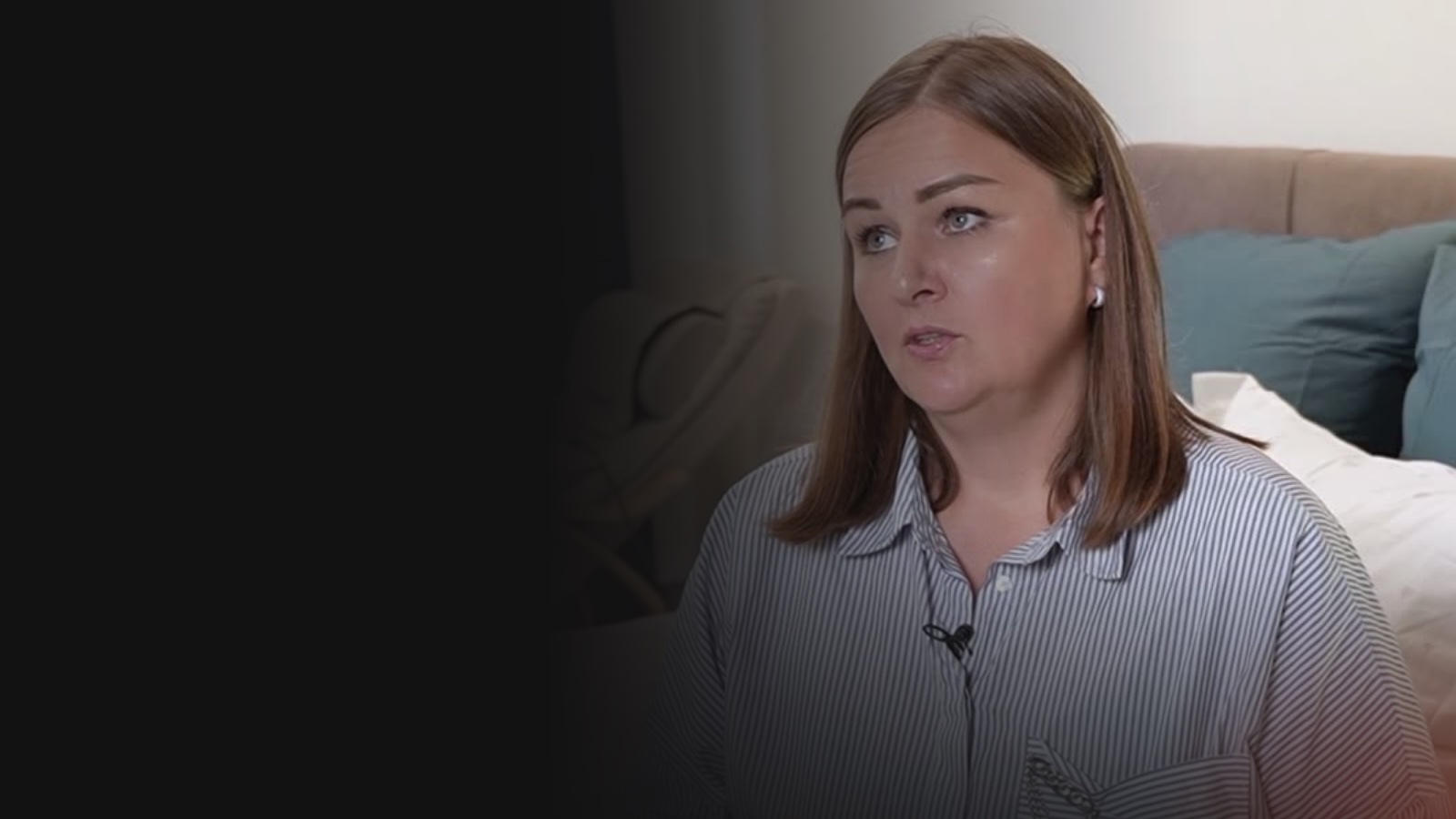
A future patient wants to know three things: will it hurt, will they be treated like a person and how much it will cost. Close-ups of instruments and open mouths answer none of these and often push people away. The doctor’s calm voice, a clean bright room and a clear explanation answer all three.
Formats that build trust
The doctor talks
Short explanations in simple words: what a procedure is, how long it takes, what the patient feels.
The visit step by step
Reception, the first consultation, the chair, what happens next. Filmed calmly, without medical close-ups.
Answers to fears
“Does a filling hurt?”, “Can I come if I have not been for years?” Honest, kind answers.
The team and the space
Faces of the nurses and administrators, a bright waiting room, modern equipment shown from a distance.
Patient stories
Only with written consent and without showing anything a person would not want public.
What to avoid on camera
- blood, open wounds and close-ups of procedures
- the sound of the drill without context
- before and after photos of real patients without clear written consent
- promises of results and comparisons with other clinics: rules for advertising medical services are strict, check them with your lawyer or chamber
How to film in a clinic
Clinics usually have bright, even light, which makes filming easier. Film on a day without patients or in a closed room, and give the doctor a clip microphone. A short script with three or four key points helps a doctor sound natural; reading full sentences makes them stiff. More on this in how to write a video script.
Where video helps most
Video works best for building trust before the first call. Detailed answers about treatment and prices fit well in carousels next to Reels, which people save and come back to (video or carousels).
Frequently asked questions
- Should the doctor be on camera?
- Yes, if possible. People choose a doctor, not a building, and a calm voice lowers fear more than any text.
- Can we show prices in video?
- Price ranges and what is included help a lot. Keep them up to date and avoid comparisons with other clinics.
- How many Reels can we get from one shoot?
- With a prepared list of questions, one three-hour shoot usually gives material for 7 to 10 short videos.