What a hook actually does
The first one to three seconds decide whether someone keeps watching. Watch time is one of the main signals Instagram uses for Reels, so a hook is not decoration: if people leave in the first second, the rest of the video does not exist for them.
A good hook does two things at once. It tells the right viewer “this is for you” and it opens a question that the rest of the video answers. A hook that promises something the video does not give gets a quick swipe and a worse result next time.
Group 1: the problem
- “If you … this video is for you.” “If your Reels get 200 views, this is for you.”
- “Stop doing …” “Stop washing your hair with hot water after colouring.”
- “The reason your … ” “The reason your terrace is empty on weekdays.”
- “You are losing … because …” “You are losing bookings because of one line in your bio.”
- “Nobody tells you that …” “Nobody tells you that a lease in Belgrade can be negotiated.”
Group 2: the result first
- Show the end, then rewind. The finished dish, then “here is how it gets there”.
- “From … to … in … ” “From an empty room to a full house in 40 seconds.”
- “This is what … looks like.” “This is what €4 breakfast looks like in Dorćol.”
- “I did … for 30 days.” “I posted three Reels a week for a month. Here is what changed.”
- A number up front. “1200 dinars. Three courses. Let me show you.”
Group 3: curiosity
- “Most people get this wrong.” “Most people order this dish wrong.”
- “I was today years old when …” works when it is genuinely surprising, not as a filler.
- A secret from inside. “What waiters see that guests never notice.”
- An unfinished list. “Three things I check before signing any contract. The third saved me €2000.”
- A question with an unexpected answer. “Why do we throw away the first pancake?”
Group 4: a direct address
- Name the viewer. “Russian-speaking owners of cafés in Belgrade, listen.”
- “POV: …” “POV: you finally found a barber who listens.”
- “Save this for …” “Save this for your next trip to Novi Sad.”
- “Send this to someone who …” “Send this to the friend who always picks the restaurant.”
- A choice. “Pasta or risotto? Wrong answer.”
Group 5: opinion and contrast
- An unpopular opinion. “Unpopular opinion: your menu has too many dishes.”
- Expectation vs reality. “What clients think a shoot day is, and what it really is.”
- “Cheap vs expensive.” “€20 haircut vs €60 haircut. Can you tell?”
- A myth. “‘Reels need trending music.’ They do not, and here is why.”
- “I would never …” “As a chef, I would never order this.”
Visual hooks matter as much as words
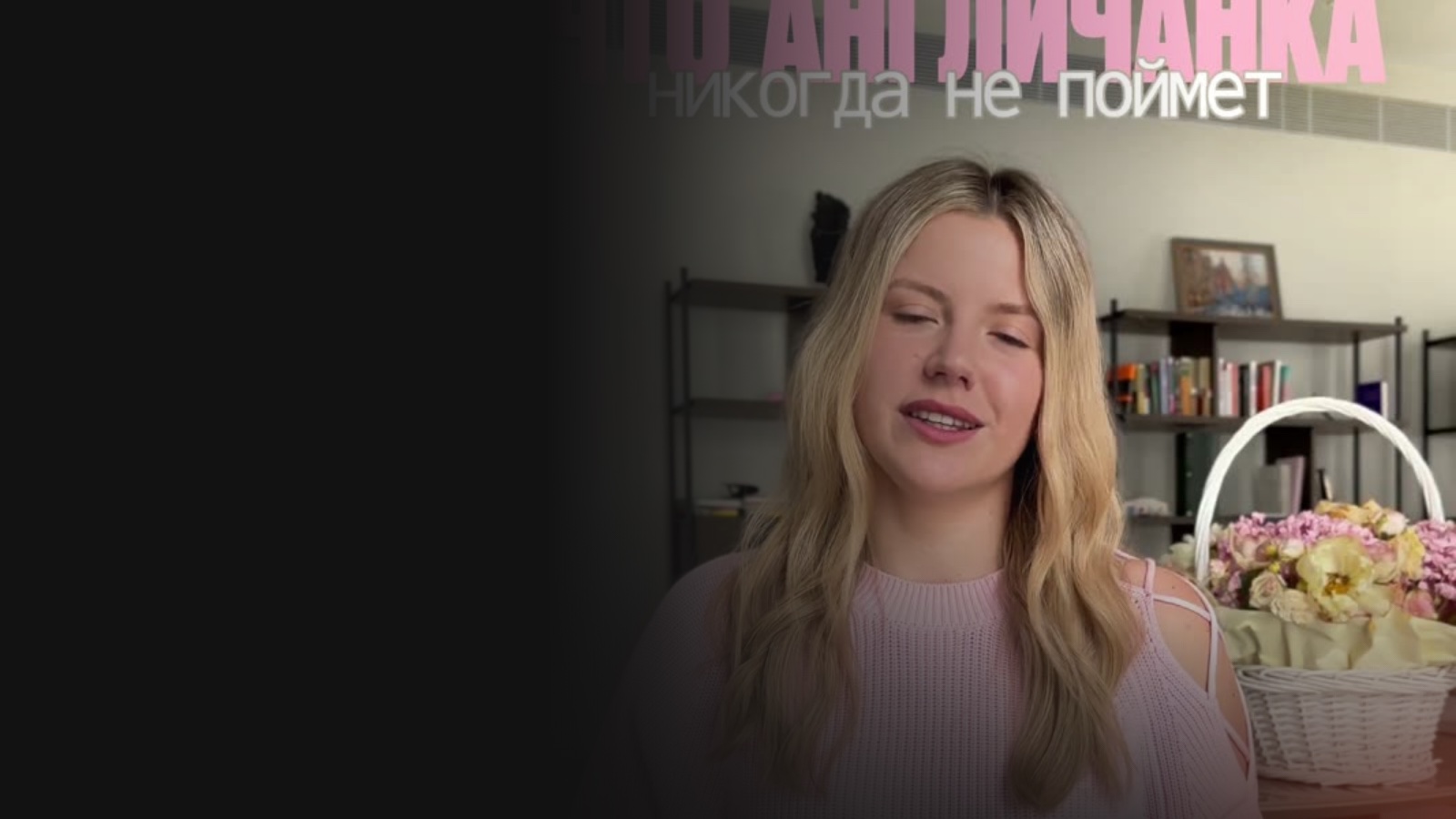
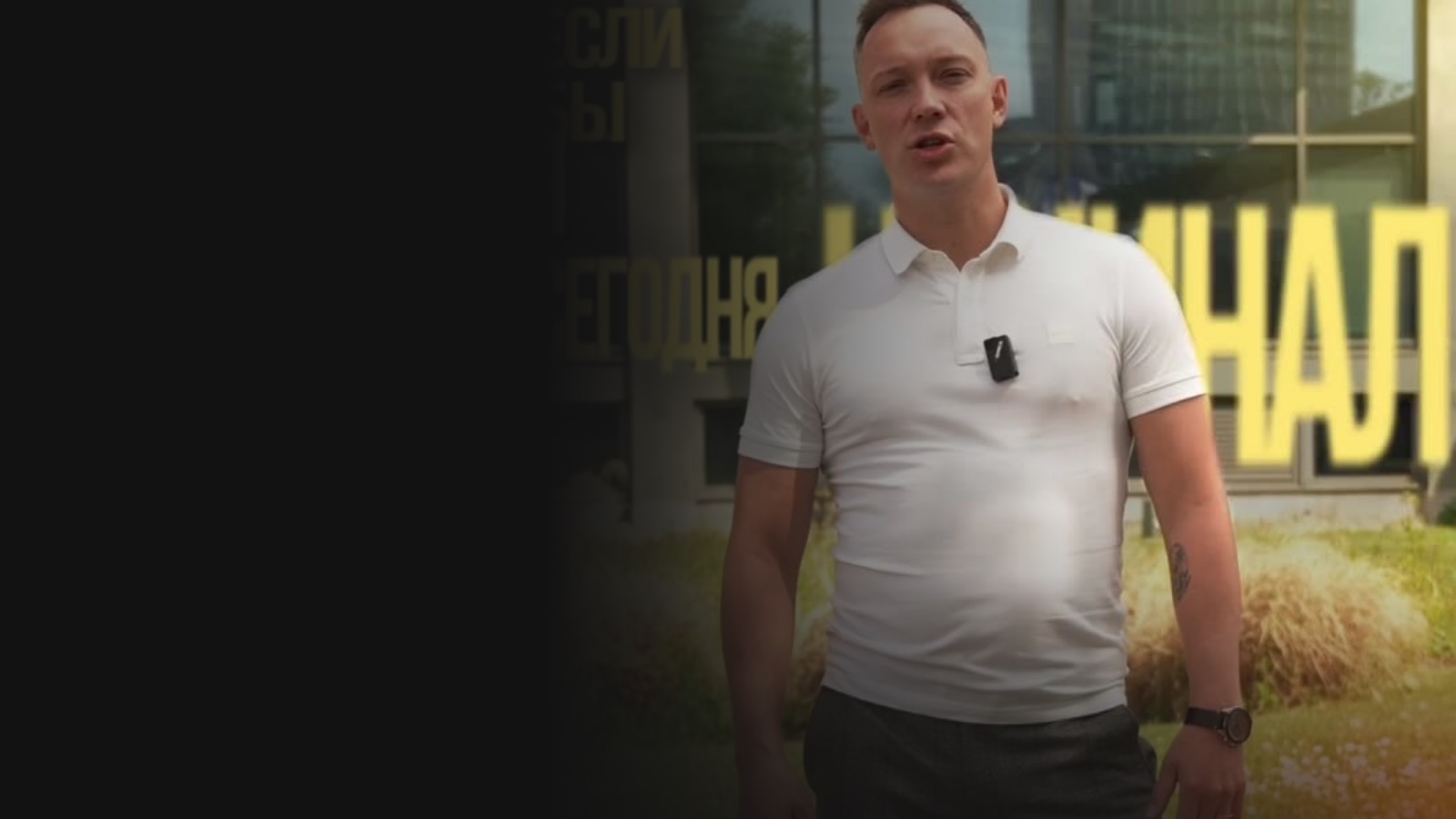
Many people watch with the sound off, so the first frame has to work on its own. The strongest visual openings are movement already in progress (a pour, a cut, a step), a face close to the camera looking straight into it, an unusual angle and text on screen that repeats the spoken hook in five to seven words.
Avoid starting with a logo, a slow fade from black, “Hi everyone, today I want to tell you…” or a wide shot where nothing happens. These are the most common reasons for a drop in the first second (why Reels get no views).
How to test hooks without guessing
Film two or three different openings for the same video. Post the strongest one, and use another opening when you repost the topic a month later. Compare the share of people who watched past three seconds: Instagram shows this in the Reel's insights. After ten videos you will know which group of formulas works for your audience.
Frequently asked questions
- Are clickbait hooks bad?
- A hook that promises something the video does not deliver gets people to leave early, and that hurts the next videos too. Be bold, but be accurate.
- Should the hook be in the caption too?
- Repeat it as on-screen text in the first frame. The caption is read later, if at all.
- Do you write hooks for clients?
- Yes. For every Reel I write two or three opening options in the script, and we film them all to choose in the edit.