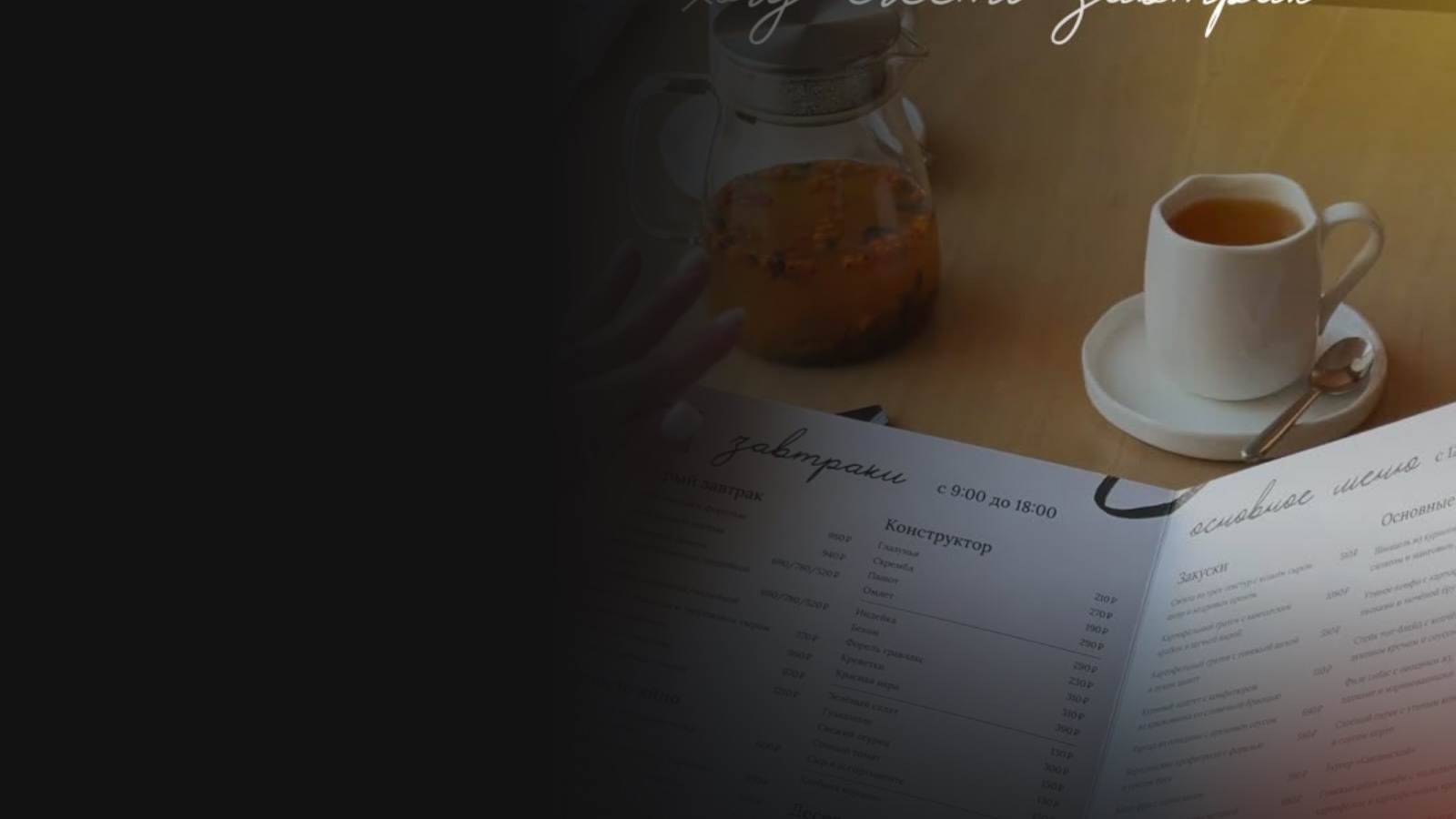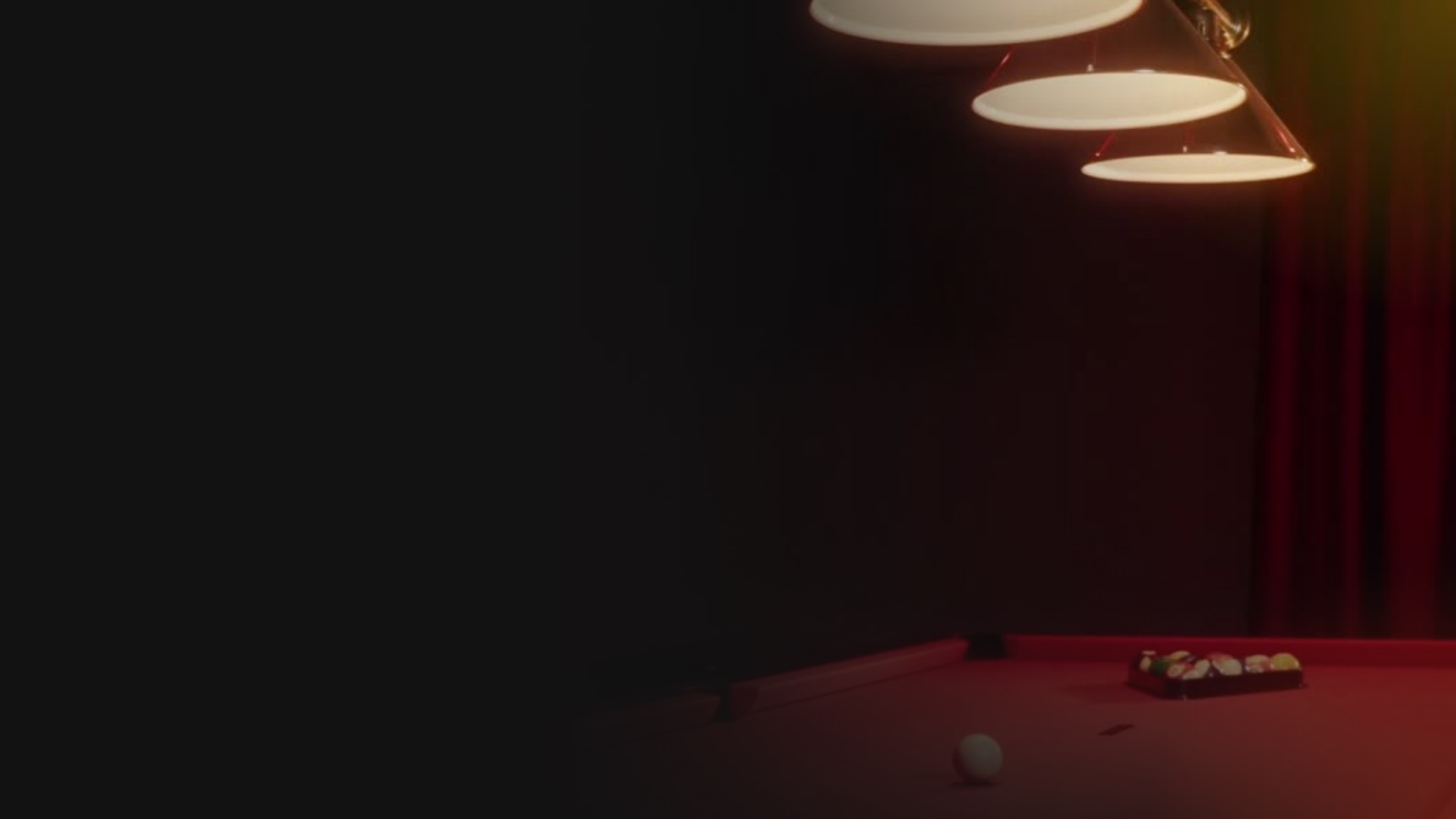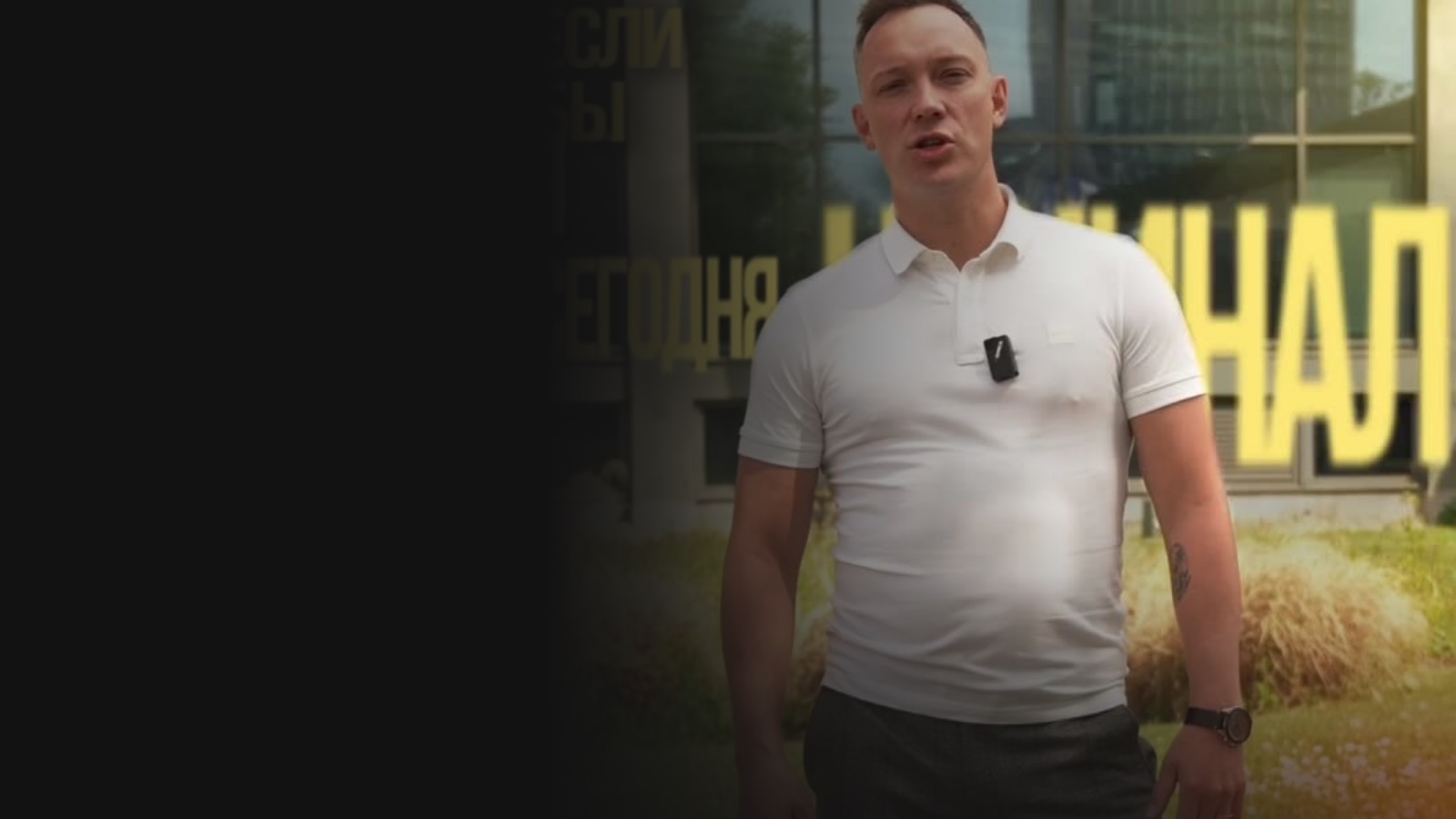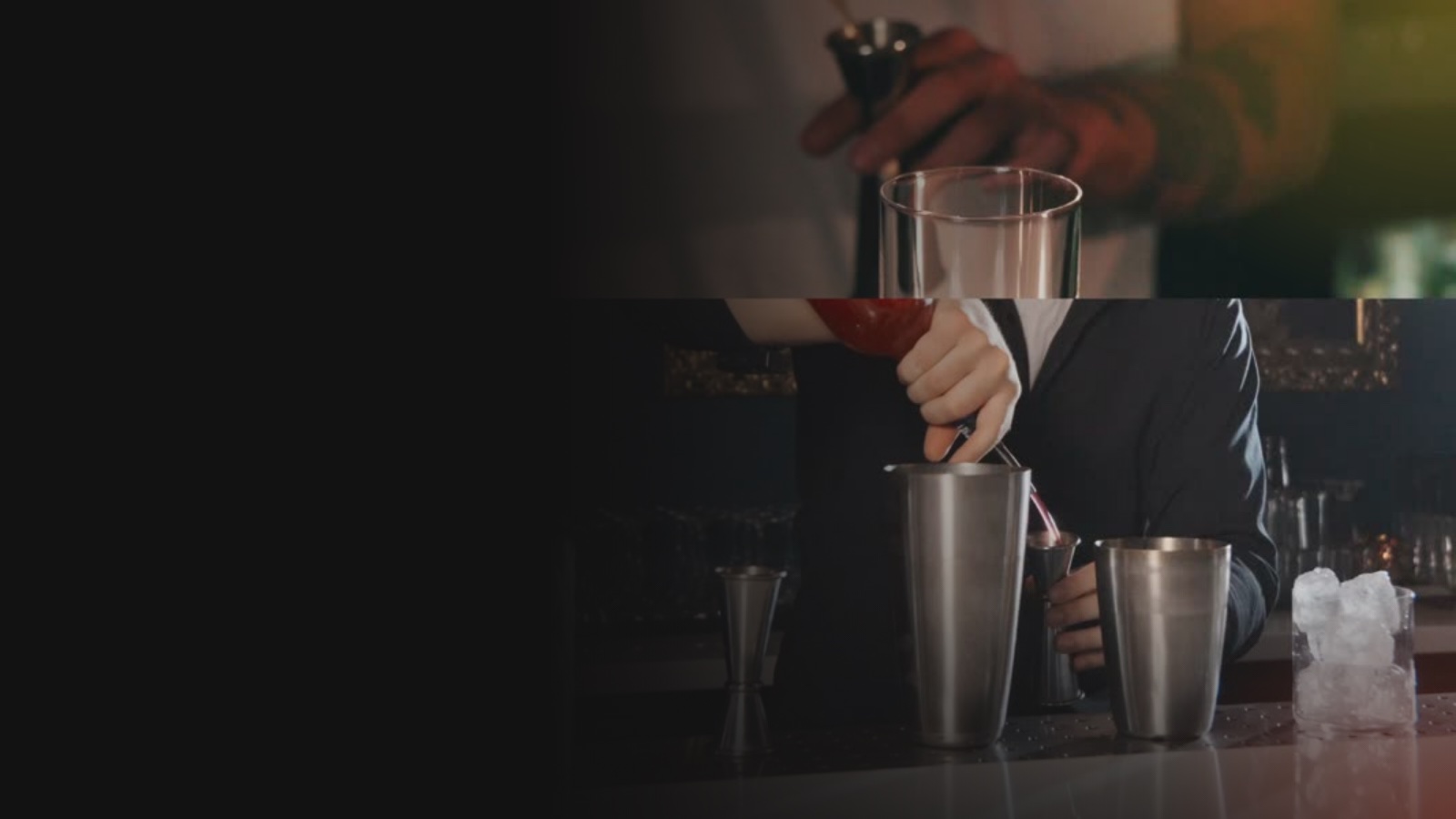
What a video moodboard includes
Light and colour
Warm or cold, contrast or soft, bright day or evening atmosphere.
Camera and pace
Static shots or movement, long takes or fast cuts.
People
Who is in the frame, how they behave, talking to the camera or not.
Text and sound
Fonts on screen, voice-over or music, the overall mood.
Where to find references
- LOOKS: a free library of Reels references for cafés, restaurants, bars and brands, sorted by category
- accounts of brands you like, also from other countries
- your own old videos: what worked and what you do not want to repeat
- films and advertising, for light and colour only
How to build it
- 1
Collect 5–10 examples
More is confusing. Choose the ones closest to the feeling you want.
- 2
Write one line for each
“Light like here”, “this pace”, “these close-ups of hands”. Without a note, the reference can be read the wrong way.
- 3
Add an anti-reference
One or two examples of what you do not want. This is often the most useful part.
- 4
Put it into the brief
Together with the goal and audience; see the video brief checklist.
Be realistic
A reference shows the direction, not a promise of an identical result. Big-budget advertising has a team, a set and days of work. Discuss which elements are realistic for your budget and place. For bars, there is a separate guide on how to film bar cocktails.
Frequently asked questions
- Do I need a moodboard for one Reel?
- Two or three references are enough. Even that saves time.
- Can I use the reference videos in my account?
- No, they are other people’s work. They are only for explaining the style.
- Can you prepare the moodboard yourself?
- Yes, I often suggest references after the first conversation, and you choose the closest ones.