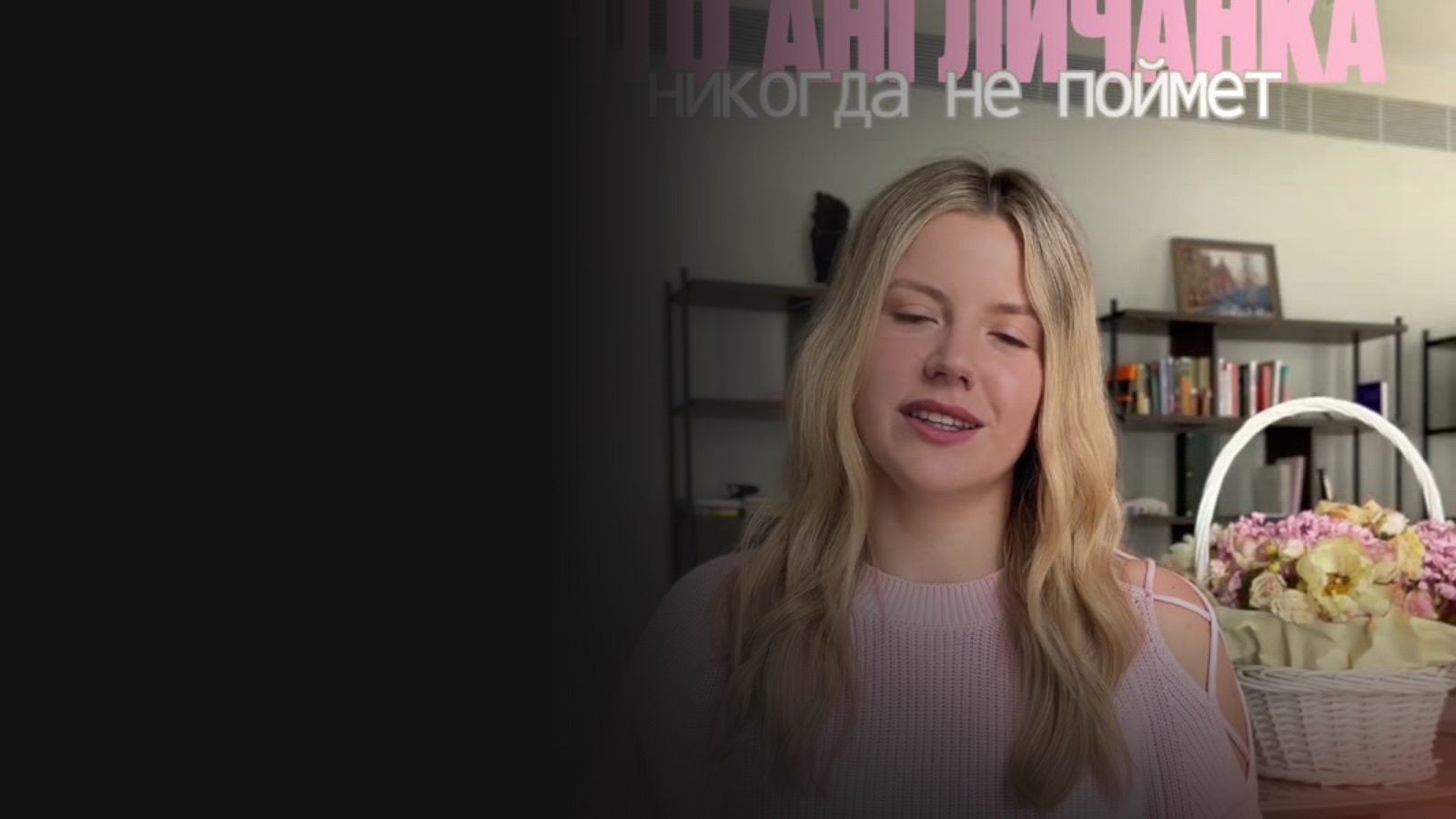
Why people scroll away
- a slow start: greetings, “today I want to talk about…”
- several ideas in one video, none of them finished
- the same static frame for a whole minute
- bad sound: echo, a fan, a distant voice
- no ending, the video just stops
Structure in four parts
- 1
Hook, 0–3 s
The conclusion, a sharp question or a common mistake, said straight away. Formulas are in Reels hooks.
- 2
Context
Why it matters to the viewer, in one or two sentences.
- 3
The point
One idea with one example or story. Not a list of ten tips.
- 4
Ending
A short conclusion and one action: save, comment with a word, write to you.
Frame, light, sound
- eyes in the upper third of the frame, a little space above the head
- soft light from a window or a softbox in front at an angle
- a background with some depth, not a flat white wall
- a lavalier microphone: sound matters more than the camera
Editing that holds attention
Cut out pauses and repeats. Change the framing every few sentences: a wide shot, then a closer one, filmed with two cameras or cropped from a high-resolution frame. Add B-roll where you describe something that can be shown: hands at work, a screen, a product. Burn in subtitles, since many people watch without sound, and highlight key words. More on what kills reach is in why Reels get no views.
Key takeawayStart with the conclusion, keep to one idea, record clean sound and change the picture every few seconds in editing. Finish with one clear action.
Frequently asked questions
- How long should a talking-head Reel be?
- As long as the idea needs. Most work at 30–60 seconds. If you notice repetition, cut it.
- Should I look at the camera or to the side?
- For direct advice, at the camera. For an interview format, slightly to the side, at the person asking.
- Do I need two cameras?
- Not necessarily. A second angle makes editing easier, but cropping a 4K frame also gives a change of framing.